
What are the symptoms of thyroid problems in females?

Thyroid problems are common among women and often go unnoticed because the symptoms can look like everyday health issues such as fatigue, weight changes, or mood swings. The thyroid is a small gland in the neck that controls metabolism, hormones, and energy levels. When it doesn’t function properly, it can affect almost every system in the body.
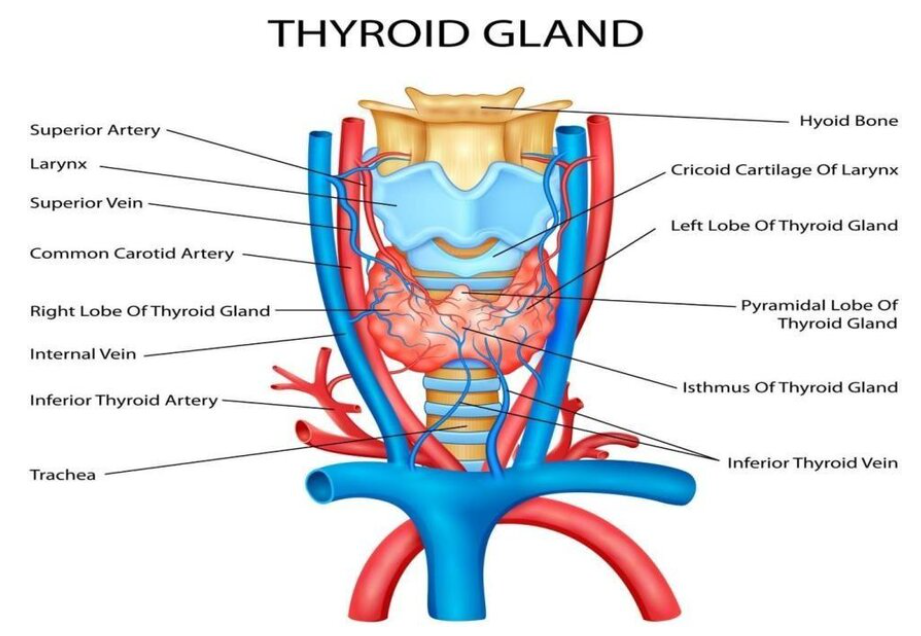
The thyroid gland may be small, a butterfly-shaped organ located at the base of your neck, but it holds immense power over how your body functions. It produces hormones that regulate everything from your heart rate to your metabolism.
For women, thyroid issues are incredibly common, often surfacing during major life shifts like pregnancy or menopause. Recognizing the signs early is the first step toward feeling like yourself again. If you suspect your hormones are out of sync, consulting a thyroid specialist is the most effective way to get clarity.
What Is the Thyroid Gland?
The thyroid gland is a butterfly-shaped organ located in the neck. It produces hormones that regulate metabolism, heart rate, temperature, and menstrual cycles. Any imbalance can lead to thyroid disorders such as hypothyroidism (underactive thyroid) or hyperthyroidism (overactive thyroid). If you want a deeper understanding of how this gland works, read our detailed guide on what is thyroid and why it is important.
Disorder of the thyroid gland
Thyroid disorders, as seen in the title of the illustration, are medical conditions that affect the function of the thyroid gland. The thyroid gland is a small, butterfly-shaped gland located in the front of the neck that produces hormones that regulate the body's metabolism. The two main types of thyroid disorders are hypothyroidism and hyperthyroidism, which are compared to this illustration.

Hyperthyroidism
Hyperthyroidism is a condition in which the thyroid gland produces too much thyroid hormones. This can cause a variety of symptoms, such as weight loss, rapid heartbeat, and heat intolerance.
Hypothyroidism
Hypothyroidism is a condition in which the thyroid gland does not produce enough thyroid hormones. This can cause a variety of symptoms, such as weight gain, slow heartbeat, and cold intolerance.
Hair loss and bulging eyes
Hyperthyroidism can also cause hair loss and bulging eyes. Hair loss can be caused by the overproduction of thyroid hormones, which can disrupt the normal hair growth cycle. Bulging eyes, also known as exophthalmos, is a condition in which the eyes protrude from their sockets.
Dry hair
Hypothyroidism can cause dry hair because the thyroid hormone is responsible for maintaining the health of the hair follicles. When the thyroid gland does not produce enough thyroid hormones, the hair follicles can become damaged, leading to dry, brittle hair.
Puffy face
A puffy face is a common symptom of hypothyroidism. This is because the thyroid hormone helps to regulate the balance of fluids in the body. When the thyroid gland does not produce enough thyroid hormones, fluid can build up in the face, causing it to appear puffy.
Heat intolerance
In contrast, hyperthyroidism can cause heat intolerance. This is because the overproduction of thyroid hormones can cause the body to produce more heat. This can make it difficult tolerate warm temperatures and can lead to excessive sweat.
Cold intolerance
Cold intolerance is a common symptom of hypothyroidism. This is because the thyroid hormone helps to regulate the body's temperature. When the thyroid gland does not produce enough thyroid hormones, the body's temperature can drop, making it difficult tolerate cold temperatures.
Goiter
Hypothyroidism can also cause a goiter. This can be caused by the thyroid gland's attempt to produce more thyroid hormones. When the thyroid gland is not producing enough thyroid hormones, it may grow in size in an attempt to compensate.
Rapid heartbeat
Hyperthyroidism can cause a rapid heartbeat, also known as tachycardia. This is because the overproduction of thyroid hormones can cause the heart to beat faster and more forcefully.
Slow heartbeat
Hypothyroidism can cause a slow heartbeat, also known as bradycardia. This is because the thyroid hormone helps to regulate the heart rate. When the thyroid gland does not produce enough thyroid hormones, the heart rate can slow down.
Weight loss
In addition, hyperthyroidism can cause weight loss. This is because the overproduction of thyroid hormones can increase the body's metabolism. This can lead to weight loss, even without a change in diet or exercise habits.
Weight gain
Weight gain is a common symptom of hypothyroidism. This is because the thyroid hormone helps to regulate the body's metabolism. When the thyroid gland does not produce enough thyroid hormones, the body's metabolism can slow down, leading to weight gain.
Diarrhea
Diarrhea is a common symptom of hyperthyroidism. This is because the overproduction of thyroid hormones can speed up the digestive system. This can lead to diarrhea, which is a condition in which the stools are loose and watery.
Constipation
Constipation is a common symptom of hypothyroidism. This is because the thyroid hormone helps to regulate the digestive system. When the thyroid gland does not produce enough thyroid hormones, the digestive system can slow down, leading to constipation.
Menstrual cycles
Hyperthyroidism can also affect the menstrual cycle. In some cases, it can cause menstrual periods to occur less often or with longer cycles.
The Two Faces of Thyroid Dysfunction
Thyroid problems generally fall into two categories: Hypothyroidism (underactive thyroid) and Hyperthyroidism (overactive thyroid). While they are opposites, both can significantly disrupt your quality of life.
1. Signs of an Underactive Thyroid (Hypothyroidism)
When your thyroid isn't producing enough hormones, your body’s processes start to slow down. It’s like trying to run a marathon in slow motion.
Persistent Fatigue: Feeling exhausted even after a full night's sleep.
Unexplained Weight Gain: Finding it hard to lose weight despite a healthy diet and exercise.
Sensitivity to Cold: Feeling chilled when everyone else is comfortable.
Thinning Hair and Dry Skin: Your hair may become brittle or fall out, and your skin may feel unusually flaky.
Brain Fog: Difficulty concentrating or remembering simple tasks.
Menstrual Changes: Often resulting in heavier or more frequent periods.
2. Signs of an Overactive Thyroid (Hyperthyroidism)
When the thyroid is overactive, your body goes into overdrive. This can feel like your internal engine is revving too high.
Rapid Heartbeat: Palpitations or a racing heart, even while resting.
Weight Loss: Losing weight suddenly without trying.
Anxiety and Irritability: Feeling "wired," nervous, or experiencing tremors in the hands.
Heat Intolerance: Excessive sweating and feeling uncomfortably warm.
Sleep Disturbances: Difficulty falling or staying asleep.
Light Periods: Menstrual cycles may become very light or stop altogether.
Why Thyroid Issues Are Different for Women
Thyroid health is closely linked to the female reproductive system. Because of this connection, thyroid imbalances can often be mistaken for "normal" hormonal fluctuations.
Impact on Fertility and Pregnancy
An untreated thyroid condition can make it difficult to conceive or lead to complications during pregnancy. If you are planning a family and experiencing irregular cycles, seeking out the best doctor for thyroid care is essential for a healthy journey.
The "Menopause Mimic"
Many symptoms of thyroid issues such as hot flashes, mood swings, and insomnia overlap with menopause. A thyroid specialist doctor can perform specific blood tests like TSH, T3, and T4. Learn more about thyroid function tests and what the results mean before your consultation.
FAQs
What are early signs of thyroid problems in females?
Early symptoms include fatigue, weight changes, mood swings, hair loss, and irregular menstrual cycles.
Can thyroid problems affect fertility?
Yes, thyroid imbalance can interfere with ovulation and menstrual health. Consult a thyroid specialist doctor if you are planning pregnancy.
Is thyroid disease common in women?
Yes, women are significantly more likely than men to develop thyroid disorders due to hormonal changes.
Can thyroid problems cause hair loss?
Yes. Both overactive and underactive thyroid conditions can cause hair to thin or fall out, usually in a generalized way across the scalp rather than in patches.
Is thyroid disease hereditary?
There is a strong genetic component. If your mother or sister has a thyroid condition, your risk is significantly higher.
How are thyroid problems treated?
Hypothyroidism is typically managed with daily hormone replacement medication. Hyperthyroidism may be treated with anti-thyroid medications, radioactive iodine, or, in some cases, surgery.
Can diet alone fix my thyroid?
While a nutrient-rich diet supports thyroid health, it is rarely a substitute for medical treatment. Always consult with a thyroid specialist before relying solely on holistic approaches.
When should I see the best doctor for thyroid?
If you notice persistent symptoms like fatigue, neck swelling, or sudden weight changes, seek medical evaluation immediately.
Are thyroid problems curable?
Many thyroid conditions are manageable with proper medication and lifestyle changes under the guidance of a thyroid doctor.


Really informative article! I liked how clearly you explained the early signs of thyroid problems, especially the symptoms that can easily be overlooked. The discussion is helpful for understanding when to seek medical advice, including concerns such as a Thyroid Cyst. Thanks for sharing this useful information!